Game Development Foundations Program
An eight-month journey into creating interactive experiences. We built this program after realizing that most game dev courses either throw you into coding without context or stay too theoretical. This one finds the middle ground.
What You'll Actually Build
We structure this around projects because that's how you really learn. Each module centers on creating something playable – sometimes it works perfectly, sometimes you rebuild it three times. That's the process.
Game Mechanics & Physics
You'll start with a simple 2D platformer. Sounds basic, but getting jump physics to feel right takes longer than you'd think. We spend time on collision detection, movement systems, and why certain games just feel good to control.
Visual Design & Animation
Character animation, particle effects, UI that doesn't frustrate players. This phase focuses on visual communication. You're not becoming a professional animator, but you will understand how movement and feedback guide player decisions.
Systems & Logic Programming
Building inventory systems, dialogue trees, enemy AI behaviors. Here's where games start feeling complex. We work through state machines, data structures, and how to organize code so you can find things six months later.
Capstone Project Development
Your own game concept, built from scratch. We provide guidance on scope management (always harder than it seems), playtesting strategies, and finishing things. Most participants iterate on their initial idea several times – that's expected.
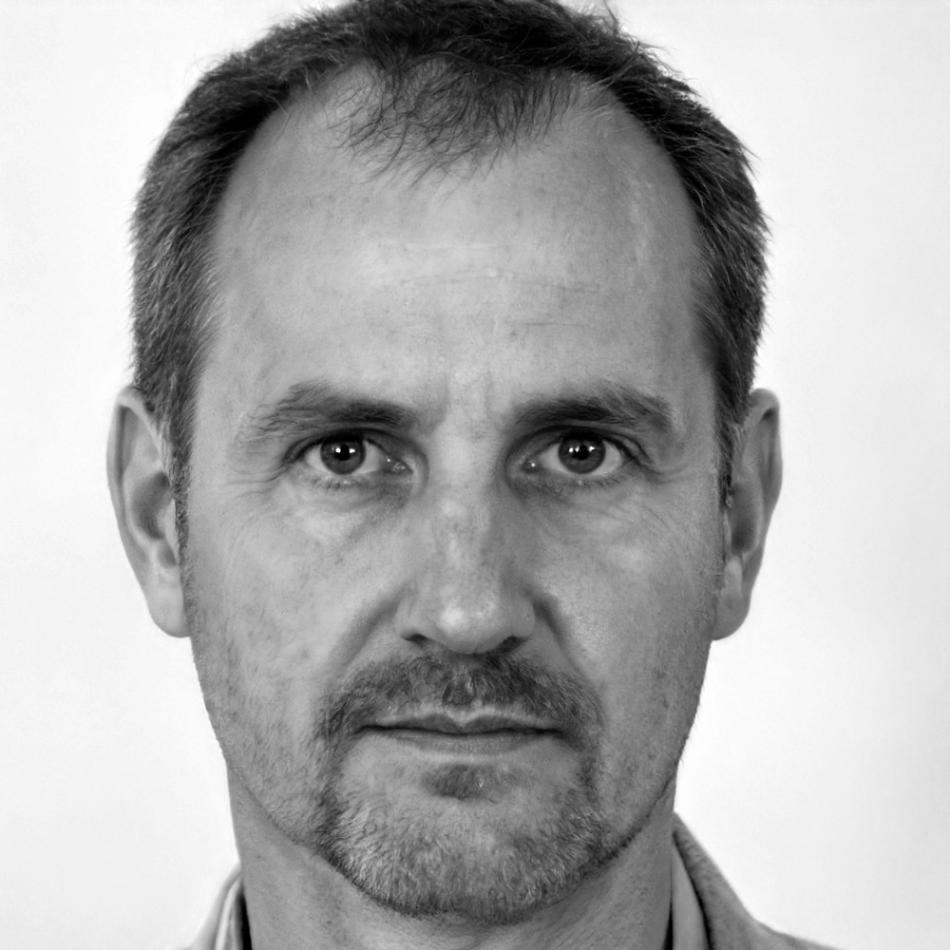
Ragnar Svensson
Ragnar spent twelve years at various indie studios before switching to education in 2021. He worked on mobile puzzle games, a few failed VR experiments, and one moderately successful roguelike that still has an active Discord community. His approach tends toward practical problem-solving rather than theoretical frameworks – probably because he's debugged enough broken physics systems to last a lifetime.
He believes most game development education moves too fast through fundamentals, so this program deliberately slows down on core concepts. Students mention his feedback can be detailed to the point of overwhelming, but it's thorough.
Guest Workshop Leaders


Program Structure
Weekly Sessions
Tuesday and Thursday evenings, 6:30-9:00 PM. Each session combines demonstration, hands-on work, and group review. We keep cohorts small (maximum 14 participants) so everyone gets individual attention when stuck on problems.
Project Work
Expect to spend 6-8 hours weekly outside class time on assignments. Some weeks require more when projects get complex. We provide project templates and asset packs to reduce time spent on non-educational tasks like finding placeholder graphics.
Code Reviews
Bi-weekly sessions where we examine each other's work. Learning to read and discuss code matters as much as writing it. These sessions can feel uncomfortable initially but become valuable once the group develops trust.
Showcase Event
Final month includes a playable demo showcase in February 2026. Friends, family, and local game developers are invited to test projects and provide feedback. Not a competition – just an opportunity to see your work played by real people.